Inside the Cyber Chase: How Investigators Use Virtual Desktops to Hunt Criminals Online
In the digital age, crime doesn't just happen in dark alleys—it also takes place behind computer screens. Cybercrime, online scams, and digital trafficking have created a new kind of battlefield for law enforcement. To tackle this challenge, investigators have embraced modern tools, including law enforcement sock puppet accounts and virtual desktops for law enforcement investigations. These tools help track down criminals while keeping investigators anonymous and secure. Here's how the chase unfolds behind the scenes.
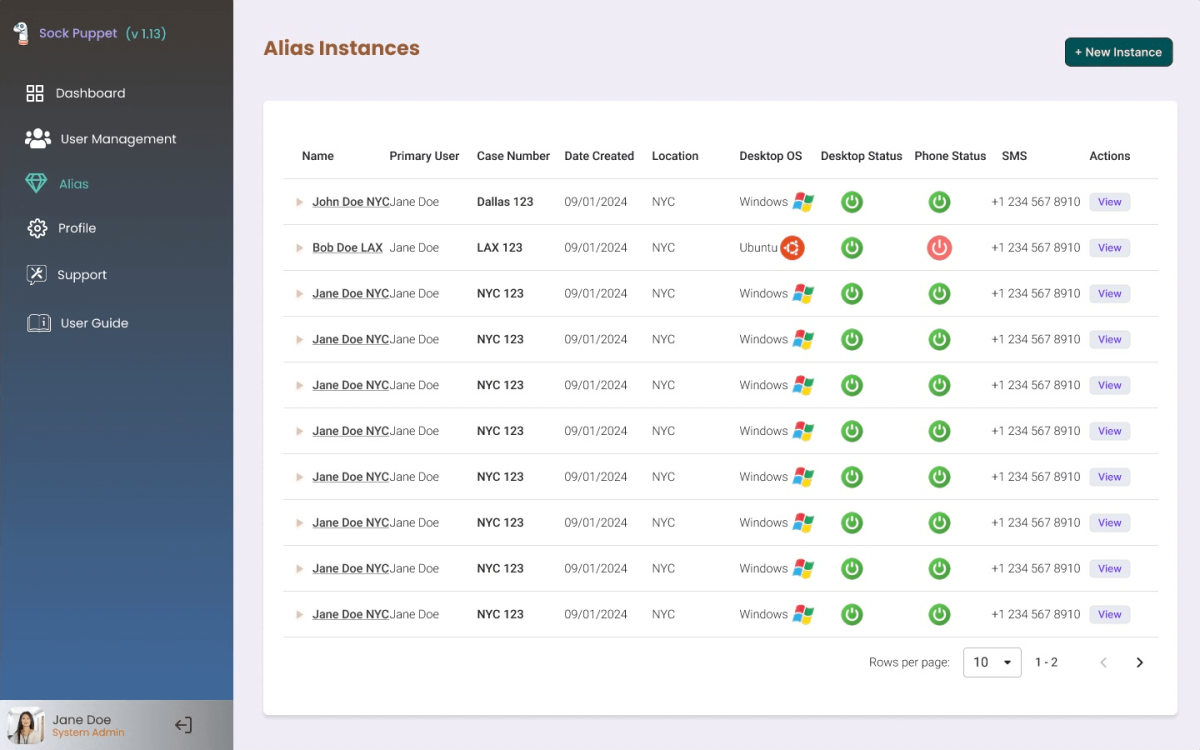
What Is a Law Enforcement Sock Puppet Account?
A sock puppet account is a fake online identity created to interact with people or communities without revealing the real person behind it. For law enforcement, these accounts are powerful undercover tools. Investigators use them to infiltrate online criminal networks, monitor suspicious activity, or communicate with suspects in a covert manner.
For example, a sock puppet may pose as a buyer in an illegal marketplace or as a potential recruit in extremist circles. The key is to blend in naturally, gather information, and avoid raising red flags. These accounts must be carefully managed, from profile pictures to posting habits, to avoid detection by savvy cybercriminals.
Creating a sock puppet isn’t just about setting up a fake profile. It also requires planning and adherence to legal guidelines. Officers must ensure their actions comply with privacy laws and agency policies to protect civil liberties while still gathering evidence effectively.
Why Virtual Desktops Are Essential for Online Investigations
When it comes to digital investigations, safety and anonymity are critical. That’s where virtual desktops for law enforcement investigations come in. A virtual desktop is a simulated computing environment hosted in the cloud or on isolated systems. Think of it as a secure, disposable computer that can be used for specific tasks and then shut down without leaving traces.
Using virtual desktops gives investigators several advantages:
Complete Anonymity: Virtual desktops can hide the real IP address and machine identity, which helps in masking the investigator’s location and identity.
Safe Browsing: These desktops are isolated from the main police network, so even if malware is encountered, it doesn't compromise internal systems.
Easy Reset and Reuse: After an investigation, the desktop can be wiped clean, removing all traces of the operation.
Multiple Identities: Officers can manage multiple sock puppet accounts on different virtual desktops simultaneously, making it easier to cover several angles of an investigation.
This setup is especially helpful when law enforcement officers are dealing with high-risk platforms, dark web forums, or encrypted messaging channels.
How It All Comes Together in Cyber Investigations
The process of hunting down online criminals is like assembling a puzzle. Here's how law enforcement teams typically use sock puppets and virtual desktops step-by-step:
Planning the Operation: Investigators determine what kind of crime or suspect they’re targeting—whether it’s online fraud, drug sales, or human trafficking.
Building Identities: Officers create believable sock puppet accounts, complete with profiles, photos, and behavior that match the targeted community.
Launching the Virtual Desktop: A secure virtual environment is prepared for each identity. This ensures separation between personal, agency, and investigative activity.
Engaging the Target: The sock puppet accounts begin interacting with suspects or participating in forums. Conversations are logged and monitored.
Gathering Evidence: Screenshots, message logs, and website activity are captured through the virtual desktop without exposing the officer's real identity.
Documenting & Reporting: Once enough information is collected, it is analyzed, stored, and used as part of the legal case. The virtual desktop is then reset for future use.
By combining digital disguise with secure infrastructure, investigators can stay one step ahead of cybercriminals without compromising their safety or the investigation’s integrity.
Legal and Ethical Considerations
With great power comes great responsibility. While these tools are incredibly useful, they also raise important ethical questions. Agencies must be careful not to entrap individuals or violate online privacy laws. Proper training and strict internal protocols help ensure these powerful methods are used correctly and fairly.
Investigators also need to document every action carefully. If a case goes to court, the defense may challenge the legality of how evidence was collected. Well-maintained virtual desktops and traceable sock puppet activity help support the chain of evidence.
Conclusion: A Smarter, Safer Way to Fight Cybercrime
The digital world is constantly evolving, and so are the criminals who exploit it. But with the use of law enforcement sock puppet accounts and virtual desktops for law enforcement investigations, agencies can keep up with these challenges. These tools allow officers to investigate quietly, safely, and effectively—while maintaining their cover and preserving the integrity of their operations. As cyber threats continue to grow, so will the importance of these smart and secure methods in keeping our digital communities safe.


Comments
Post a Comment